
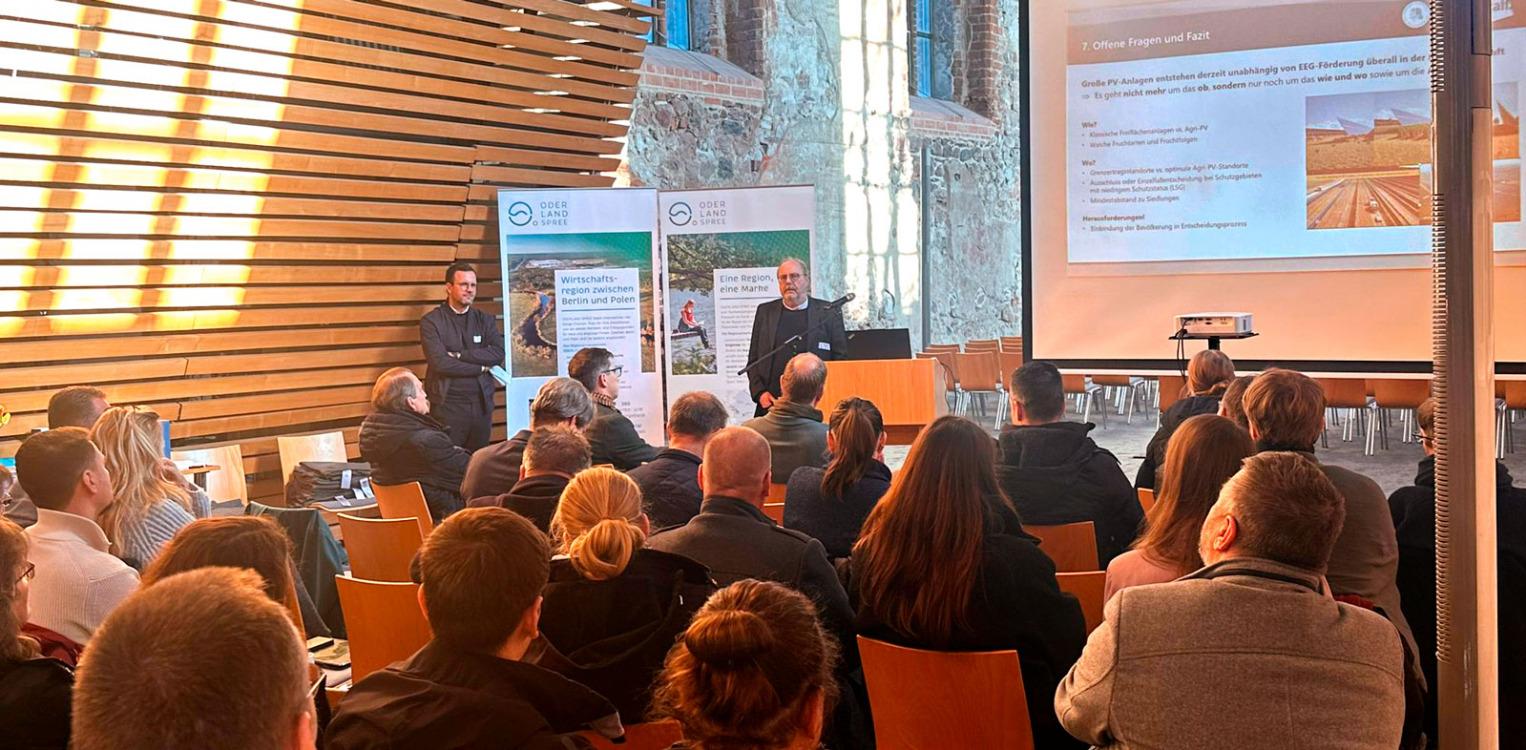
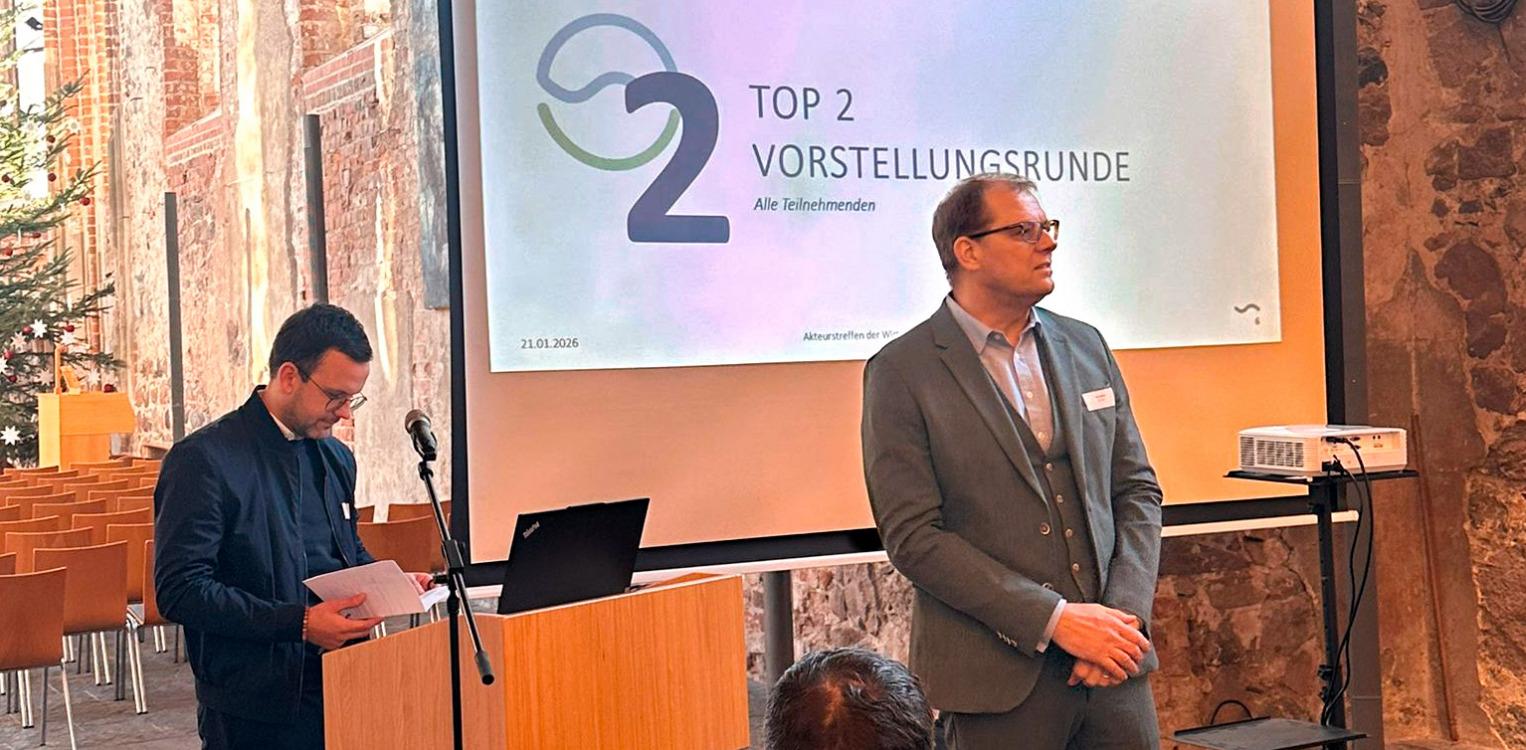
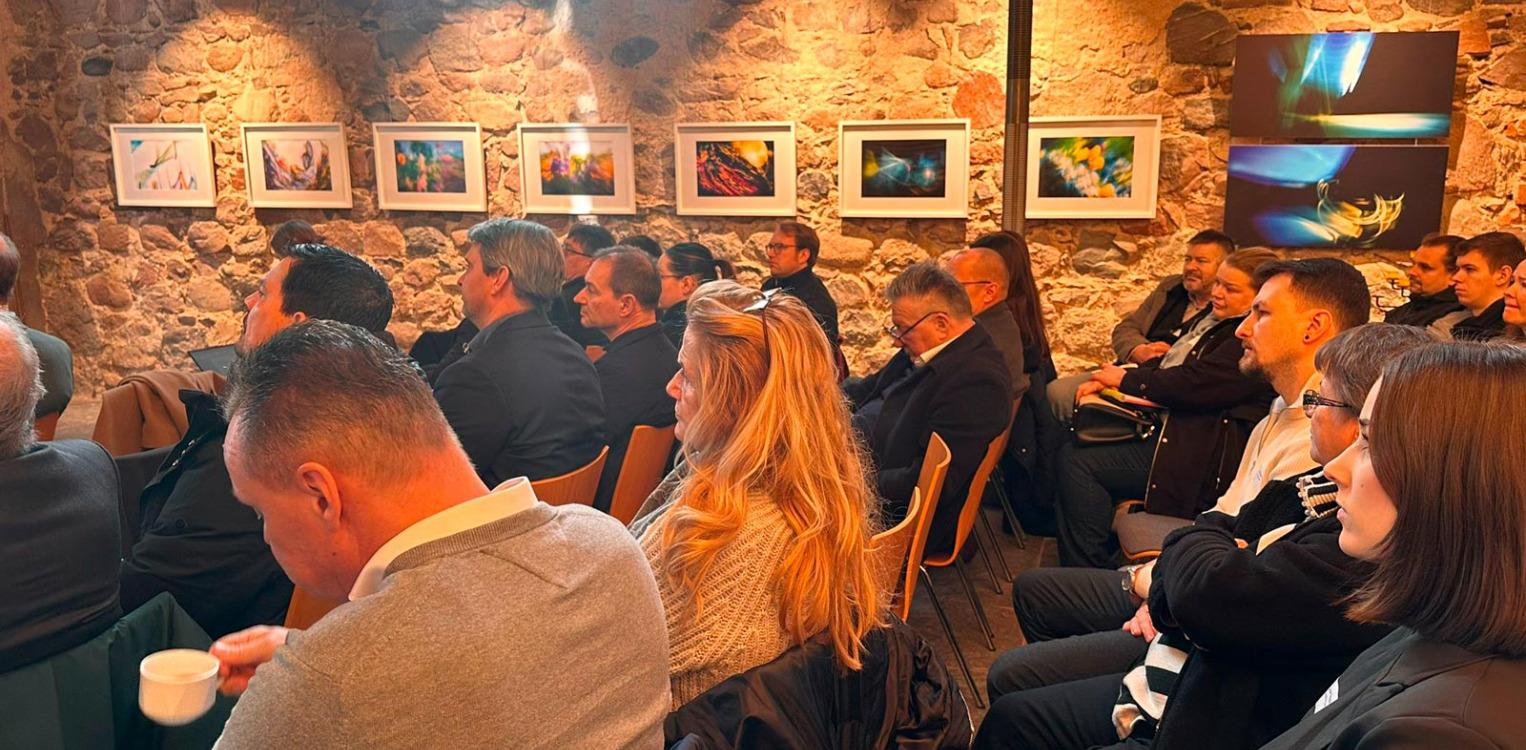
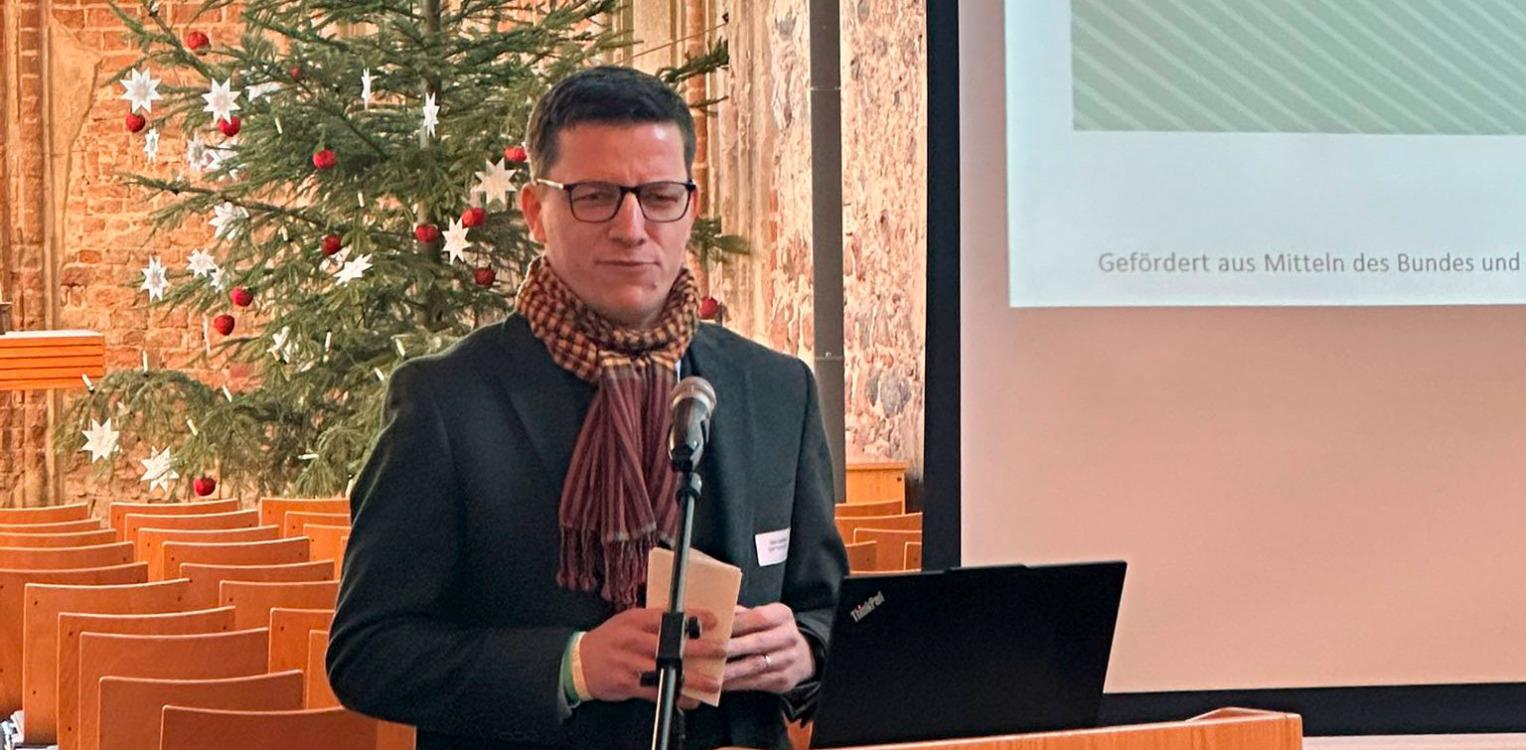
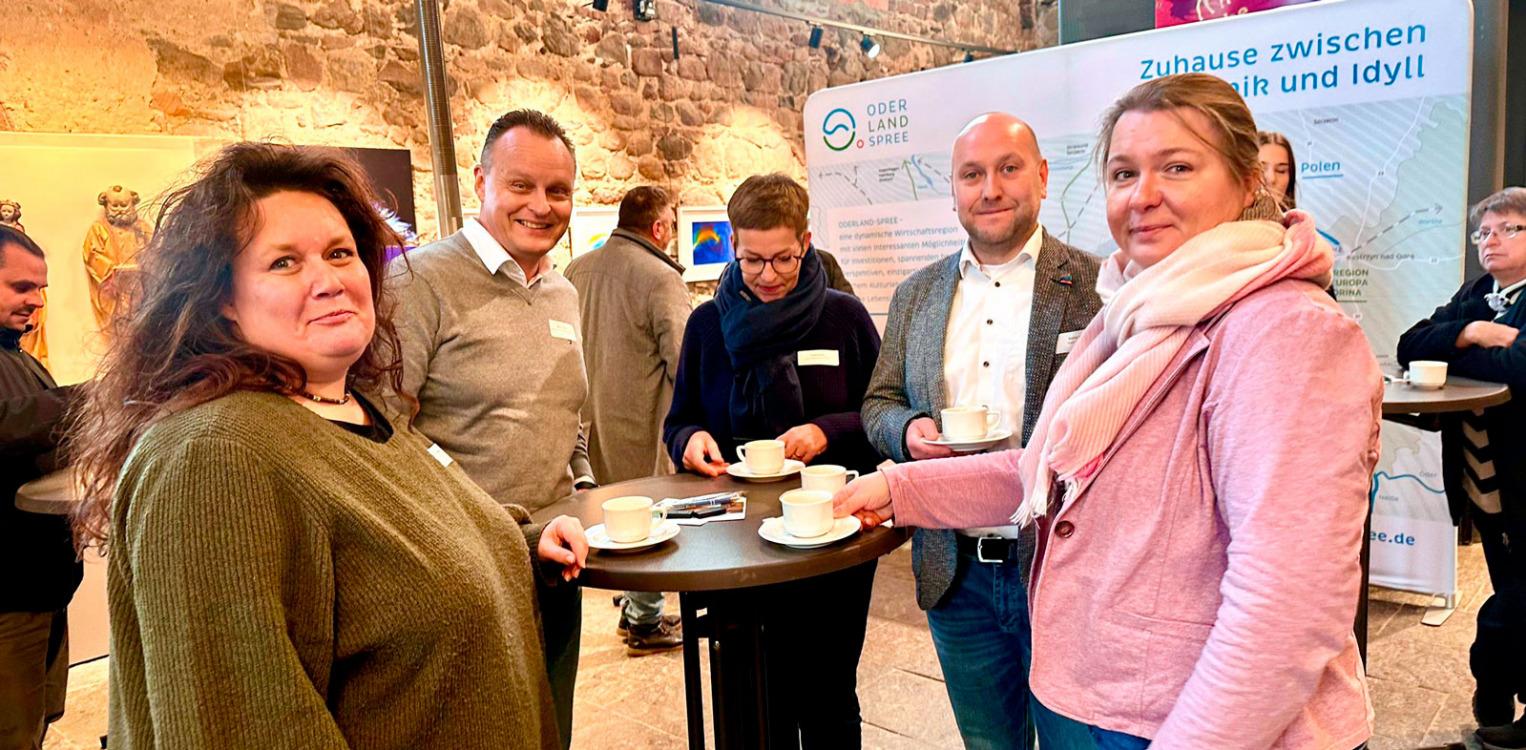
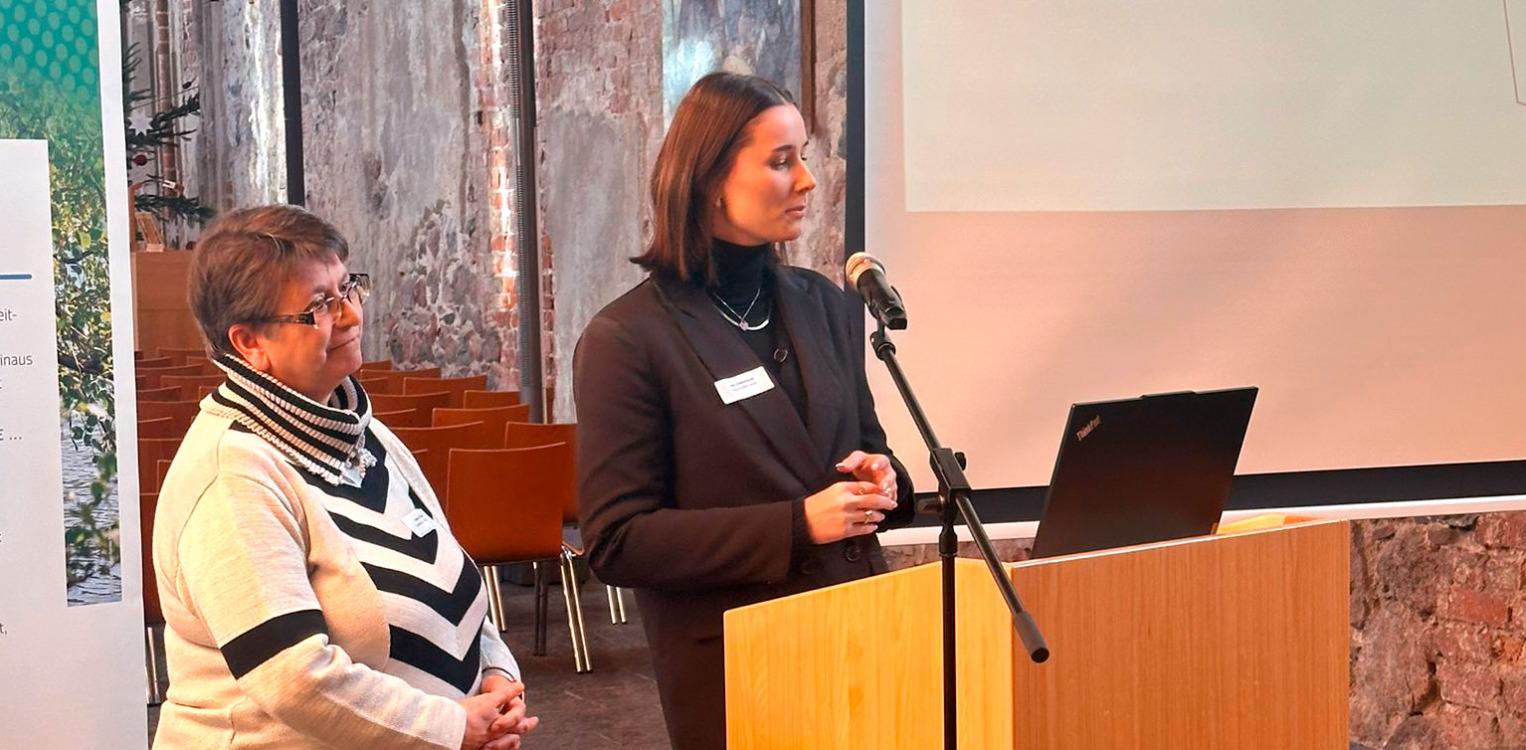
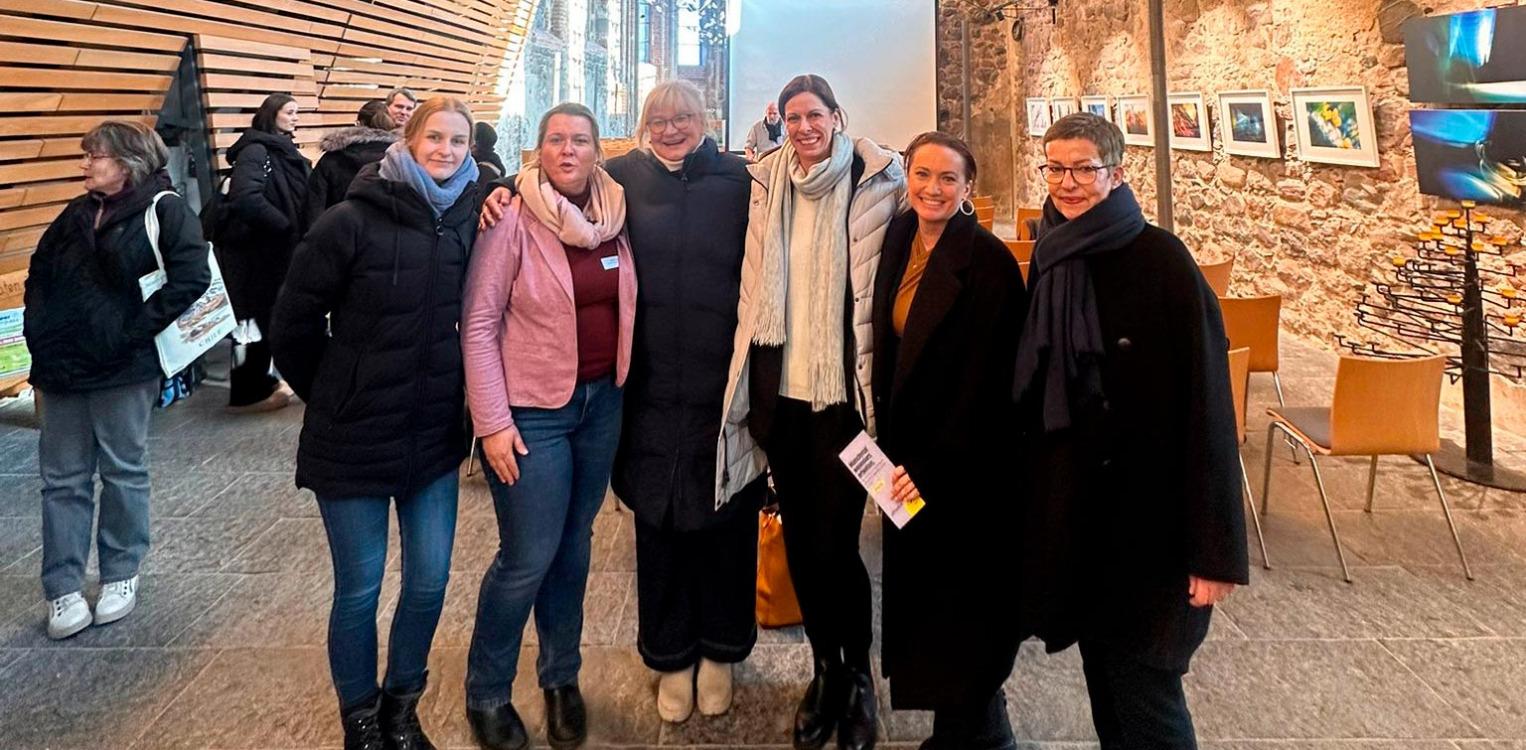
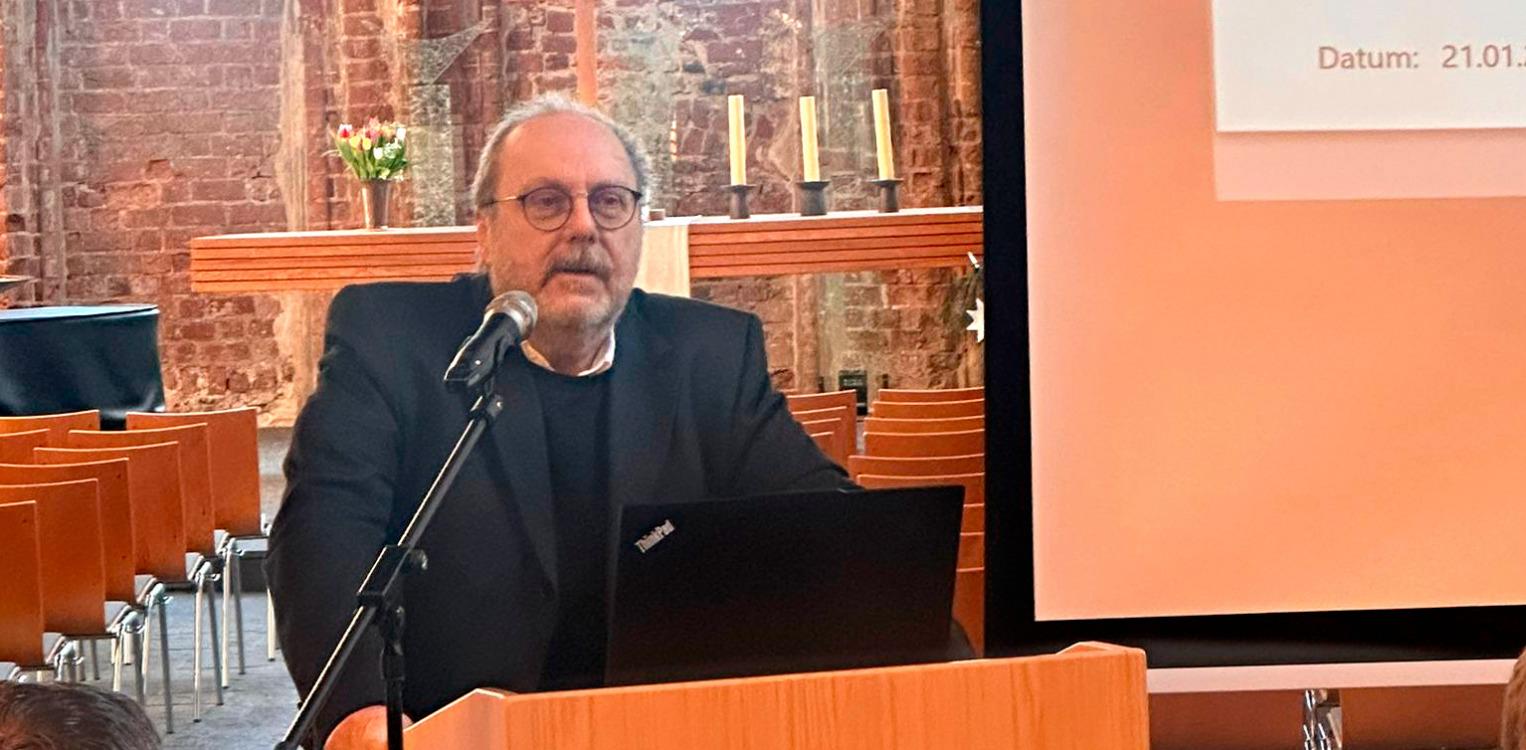
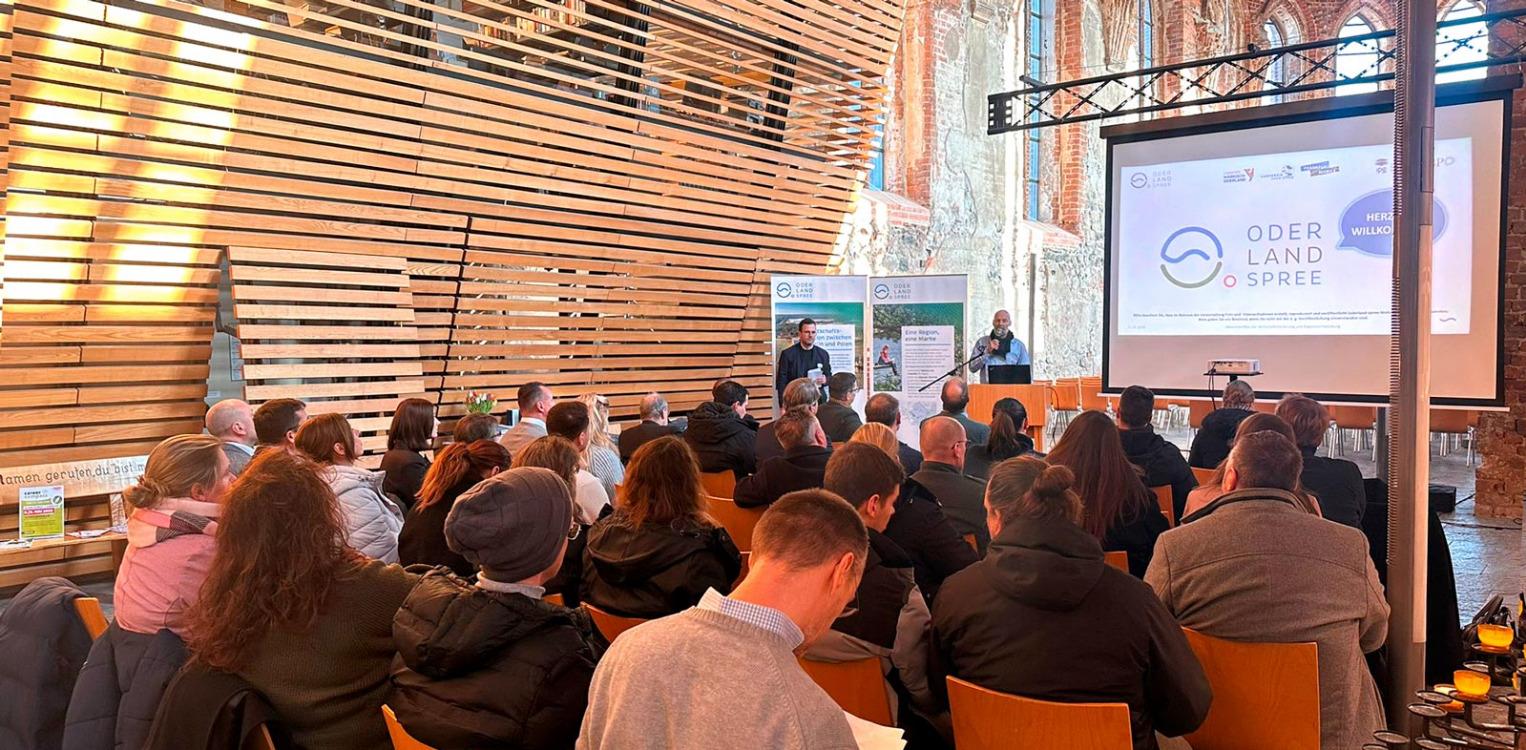
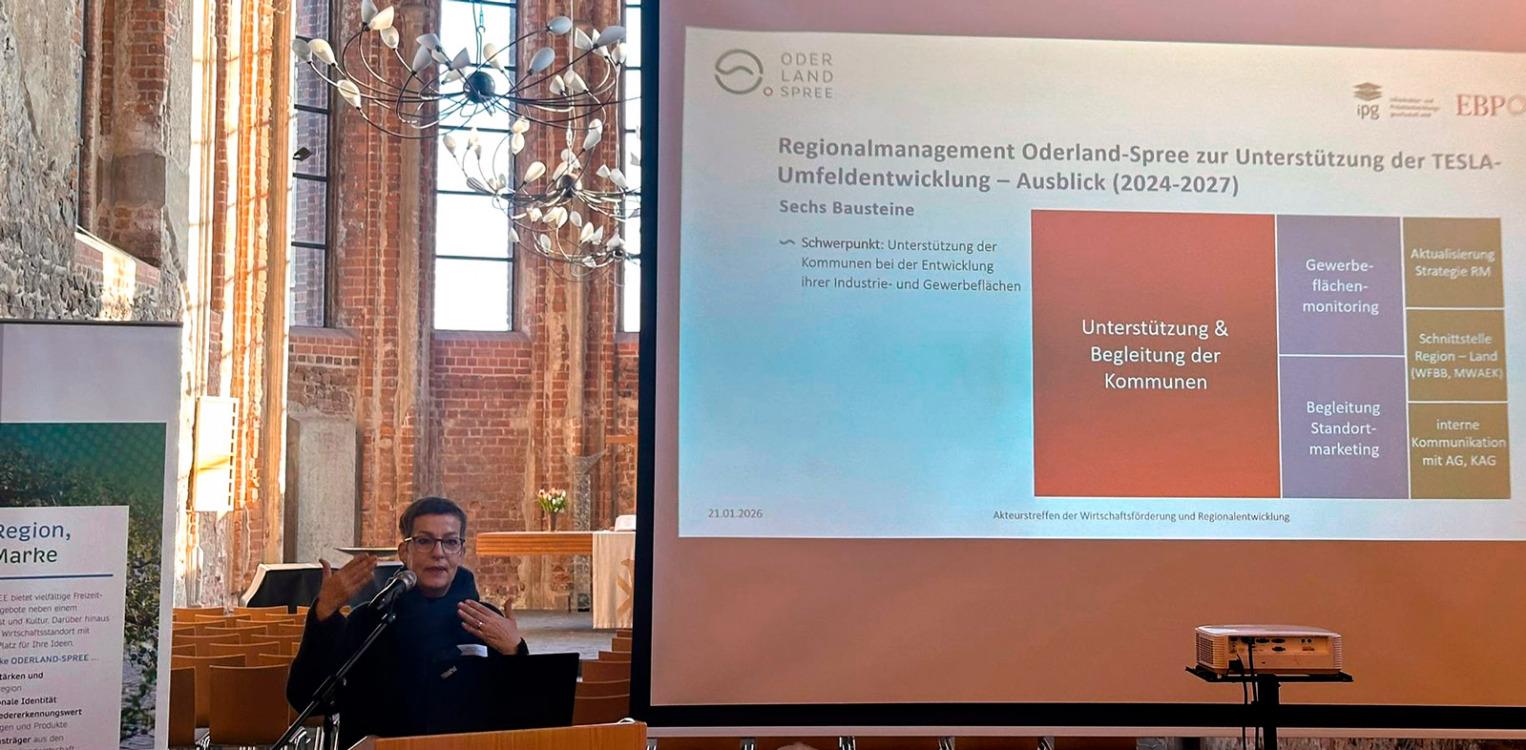
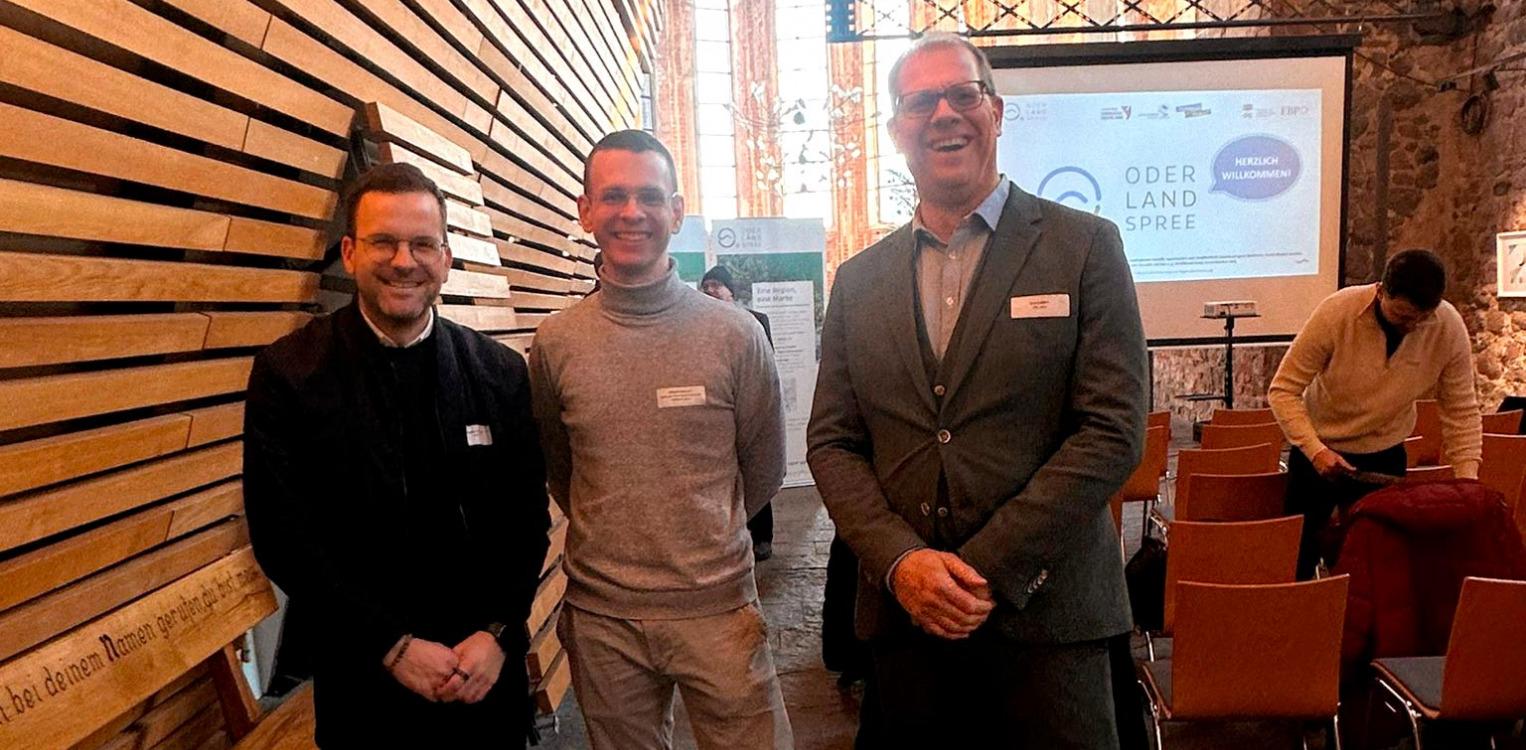
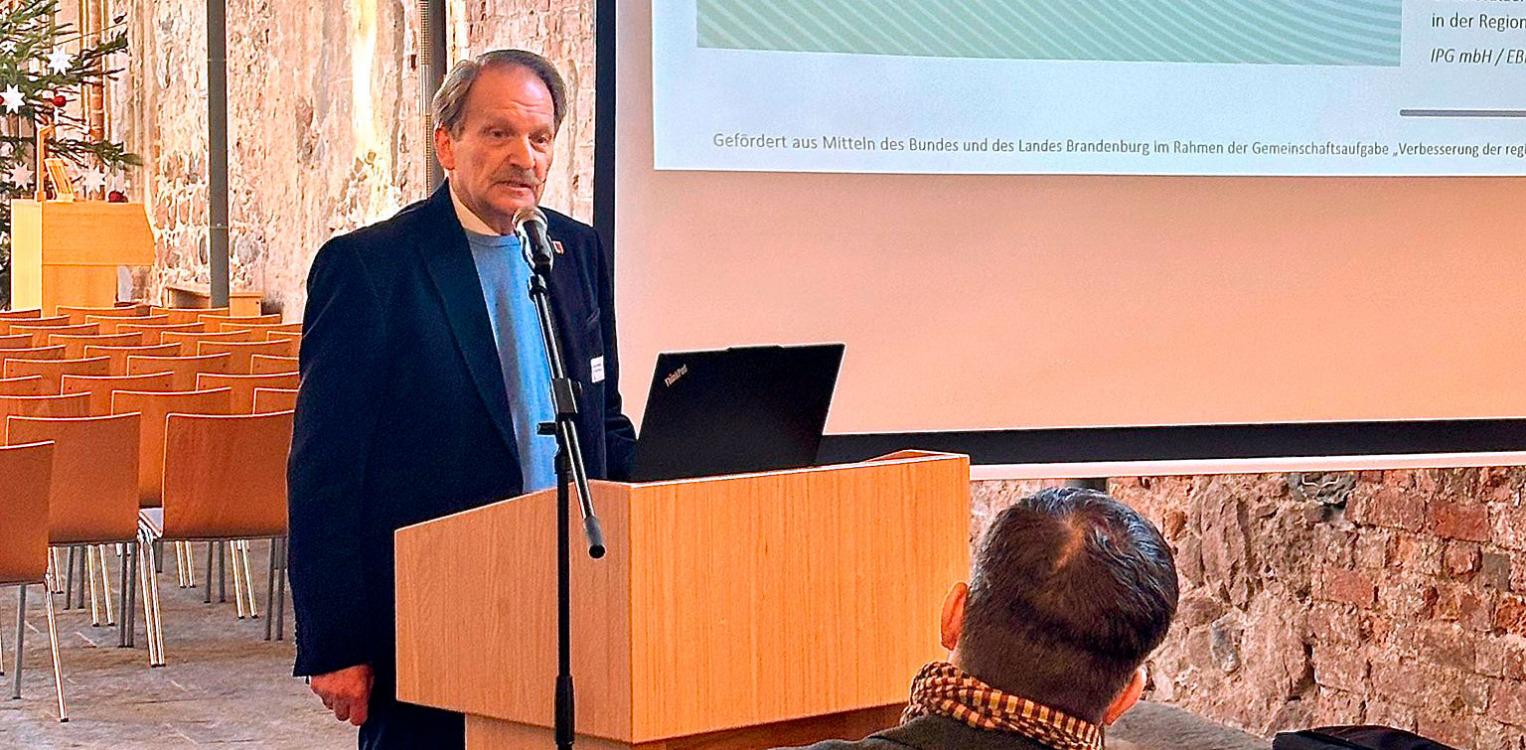
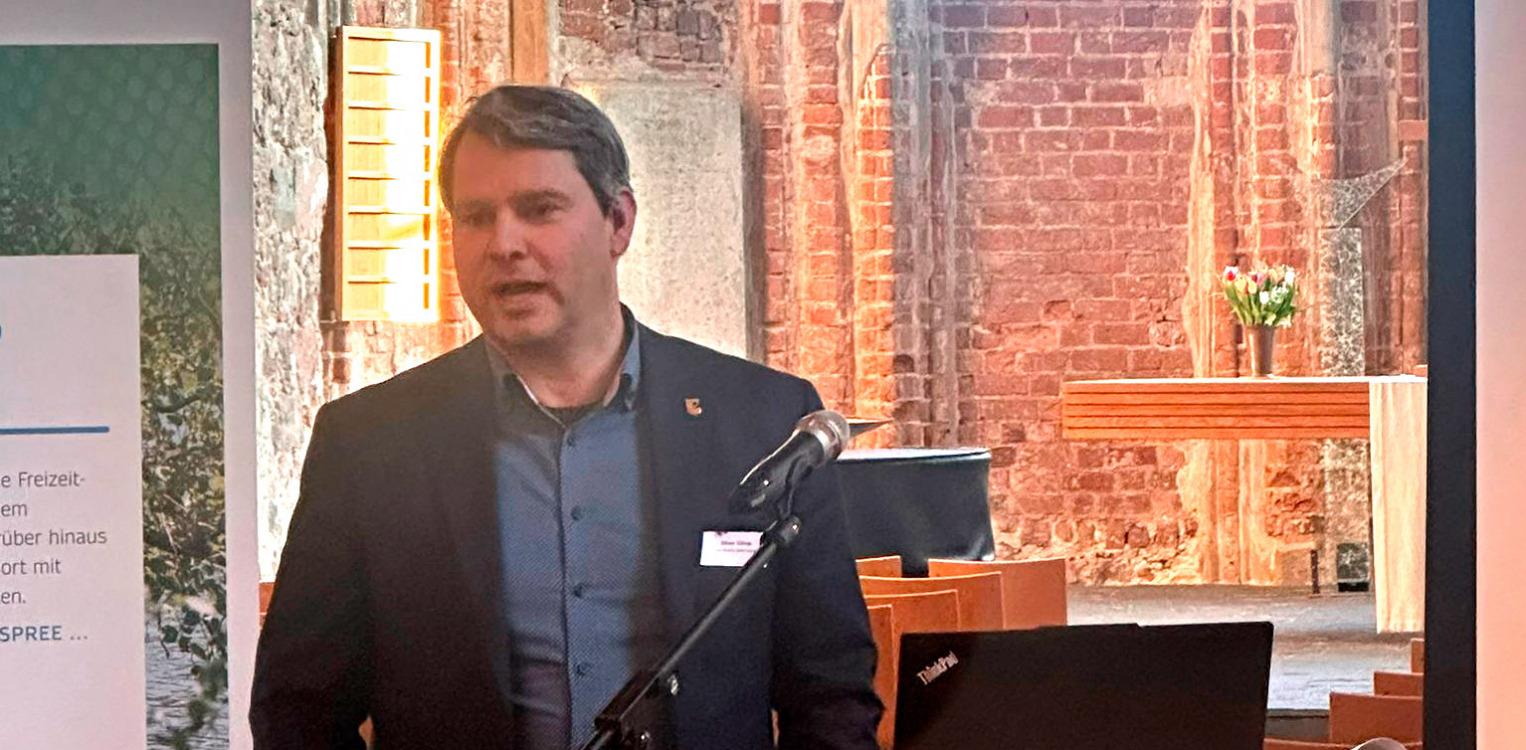
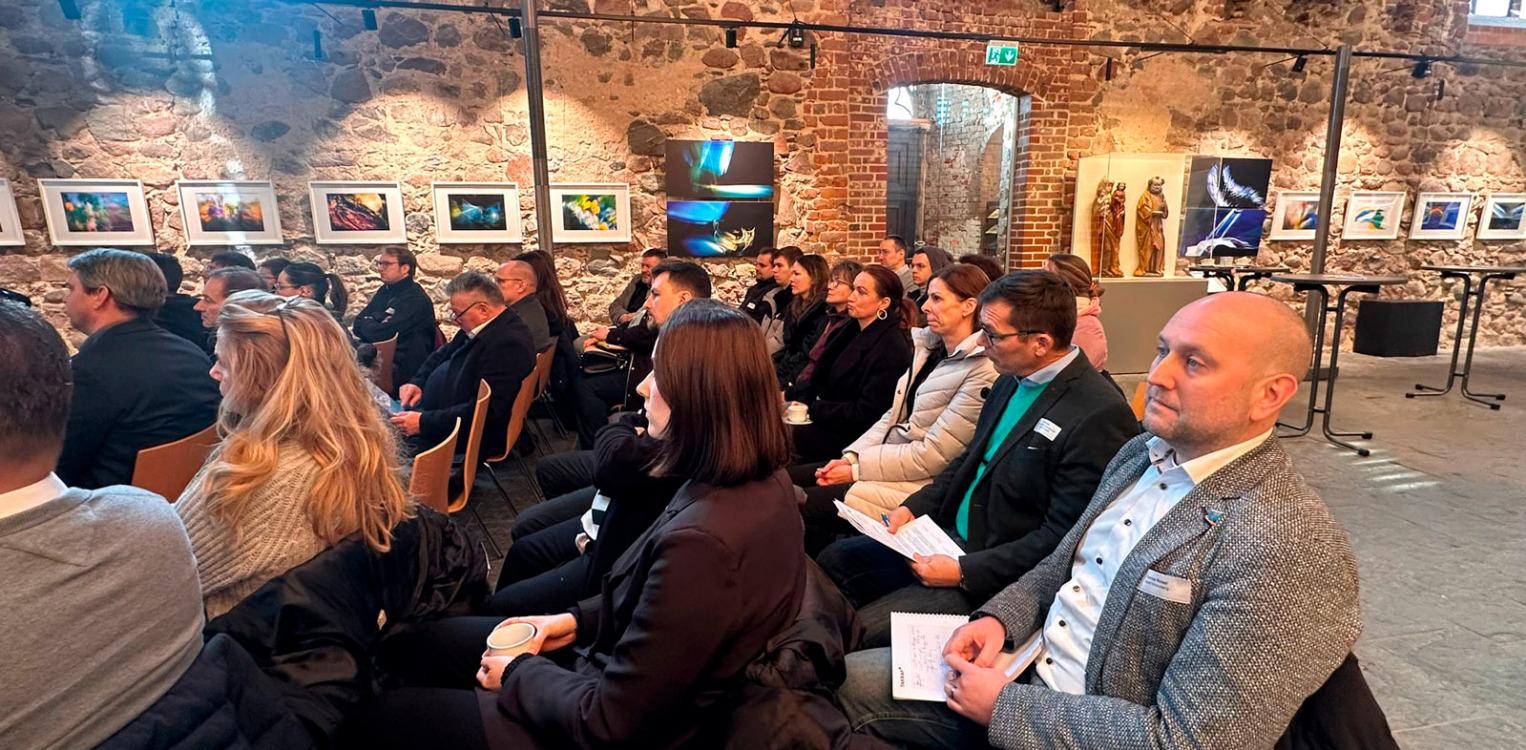
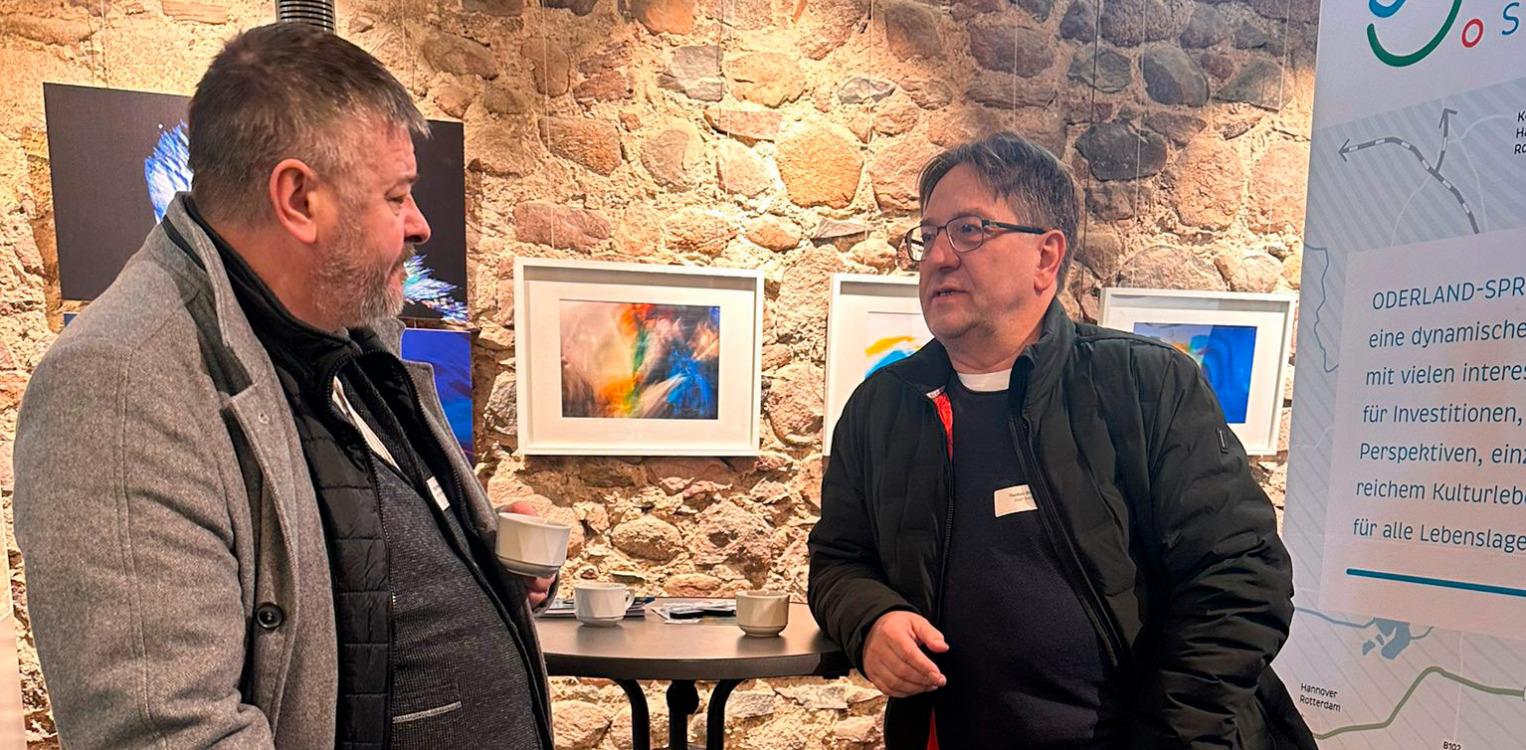
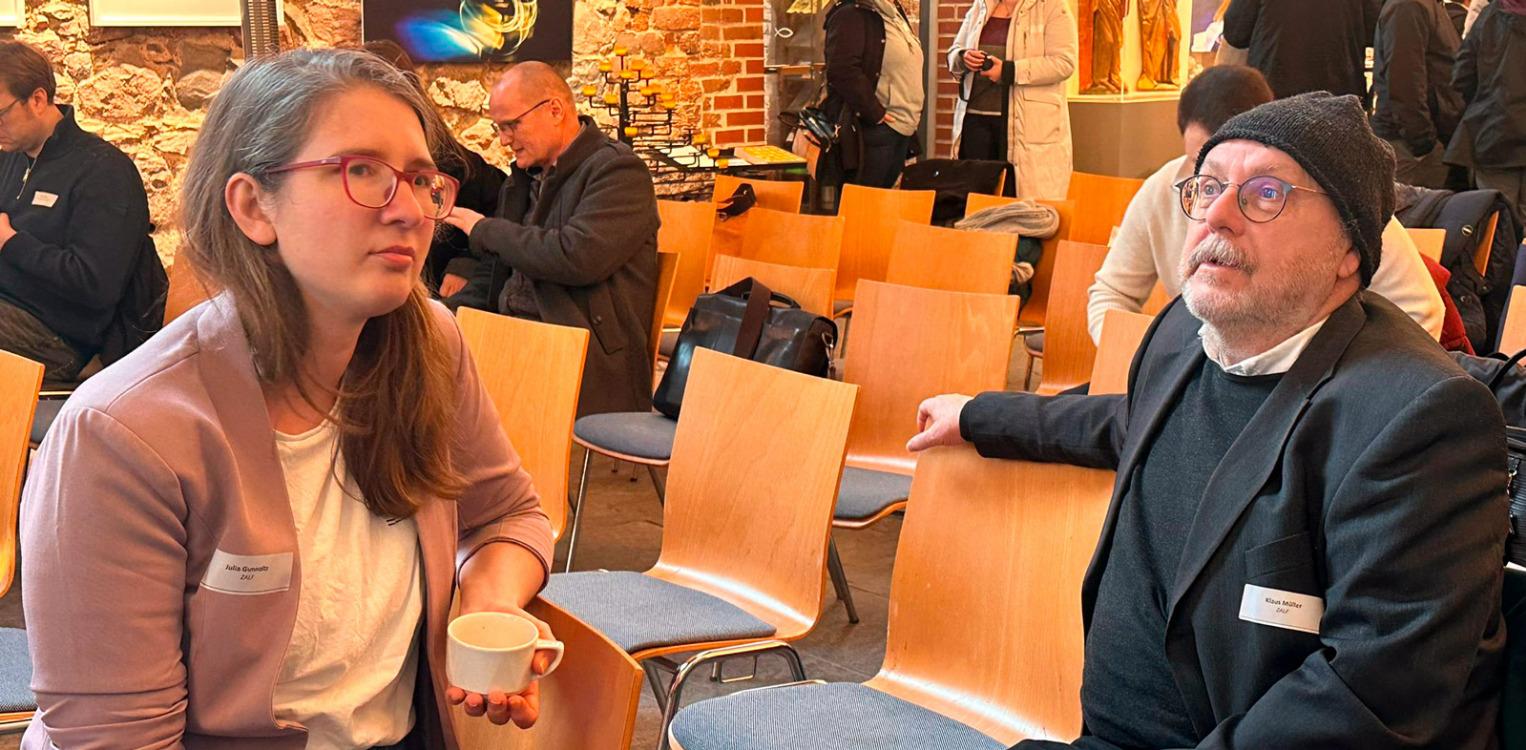
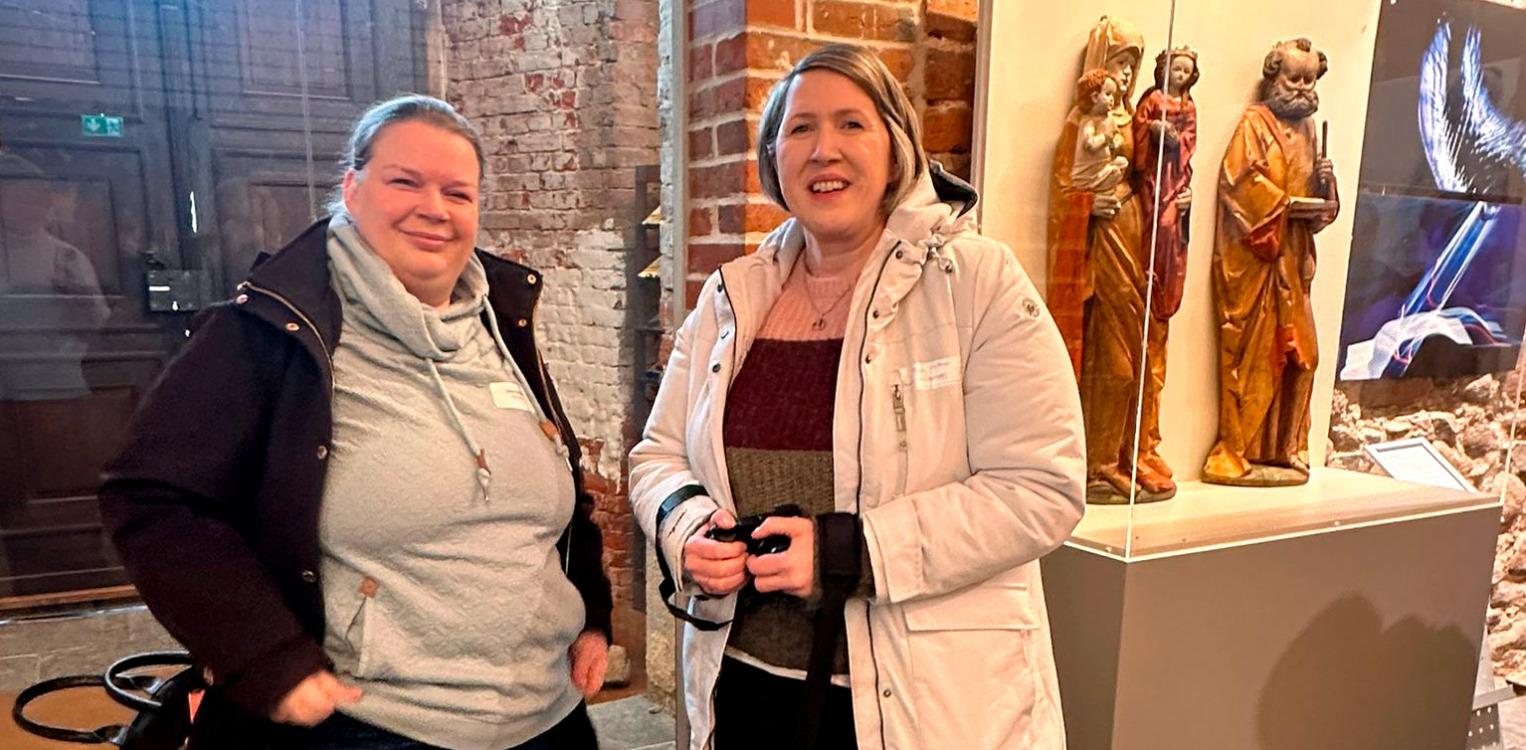
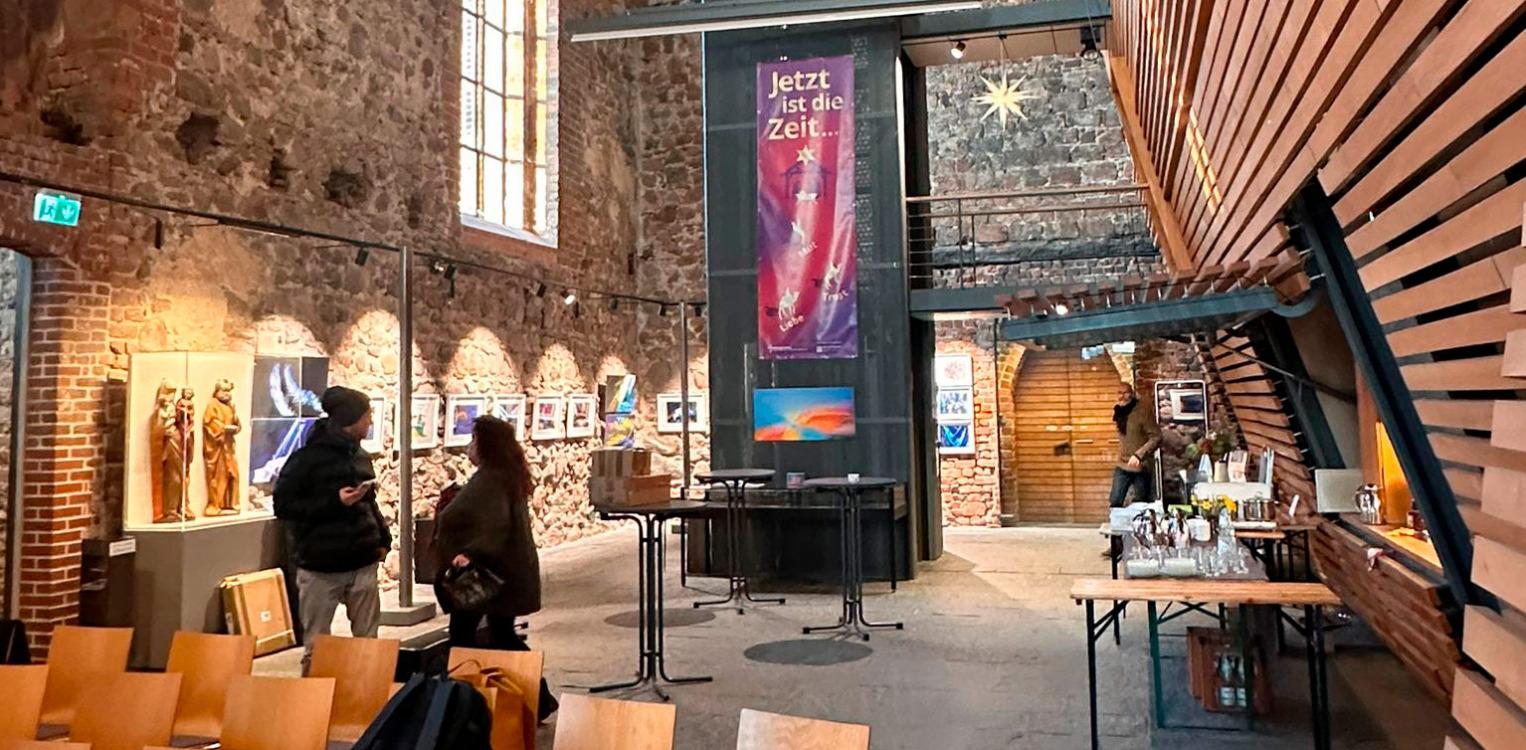
Under the guiding principle of "How can regional development be successfully shaped together?", representatives from the Oder-Spree and Märkisch-Oderland districts, Frankfurt (Oder) and other municipalities, academia and regional institutions came together last week for the first stakeholder meeting on economic development and regional development in Oderland Spree in 2026. With its multifunctional usage concept, the parish church of St. Marien zu Müncheberg provided the setting for an intensive exchange on current challenges and strategic future issues of regional development.
The Oderland-Spree regional management presented its main areas of work for the current funding period (2024–2027), which focus in particular on the further development of regional industrial and commercial areas. It supports the municipalities in strategic planning processes as well as in the acquisition of funding and acts as an interface between the state and the region to effectively represent their interests.
The Oder-Spree district provided insights into the "RegioStrat – OderlandSpree³" project, which it is implementing as part of the federal program for strategic regional development. The aim is to draw up an integrated development concept that addresses key issues such as mobility, securing skilled workers, energy supply, land use and inter-municipal cooperation.
Also presented was the "Bildungskommune Landkreis Oder-Spree" project, which has been implemented since 2022 and includes the further development of data-based municipal education management, the establishment of networked educational landscapes and the development of thematic priorities – currently to secure skilled workers. The project thus makes a significant contribution to strengthening the region's educational and skilled workforce base.
The Leibniz Center for Agricultural Landscape Research (ZALF) provided impetus from the scientific community with an insight into the potential and limitations of agrivoltaics. The combination of energy generation and agricultural use is considered an important building block for a land-saving energy transition in rural areas.
In addition, the districts of Oder-Spree and Märkisch-Oderland presented current projects – including the Incubator Village Beeskow and the start-up center HANGAR in Strausberg. The city of Frankfurt (Oder) provided information on ongoing infrastructure projects, including the challenges associated with energy supply and the planning of substations. In this context, it was emphasized that, among other things, joint regional coordination on energy requirements, grid capacities and the planning of new substations is useful and necessary in order to enable efficient solutions across municipal boundaries and provide the best possible support for future location developments.
The meeting was rounded off with a company tour at WDM Bio Fertigprodukte GmbH, which offered insights into regional value creation from an entrepreneurial perspective.

Oderland Spree KONKRET
The Oderland Spree KONKRET format will offer the next opportunity for networking and professional exchange in February/March 2026. This event will take place digitally and focus on the topic of urban development contracts.