

Sustainability has long been a key issue at universities. But how can intentions be turned into measurable successes and credibly demonstrated? TH Wildau is leading the way in this regard: it is one of the first universities in Brandenburg to introduce the European environmental management system EMAS. In doing so, the university links strategic goals with concrete, audited actions on campus.
EMAS (Eco-Management and Audit Scheme) is regarded worldwide as the European Union’s highest-level certified, voluntary environmental management system. Unlike purely industrial standards such as ISO 14001, EMAS goes a decisive step further: it demands complete external transparency through a publicly accessible environmental statement and requires strict compliance with all environmentally relevant laws. Independent, state-approved auditors verify the data directly on site, as was the case earlier this week at the Technical University of Applied Sciences Wildau (TH Wildau).
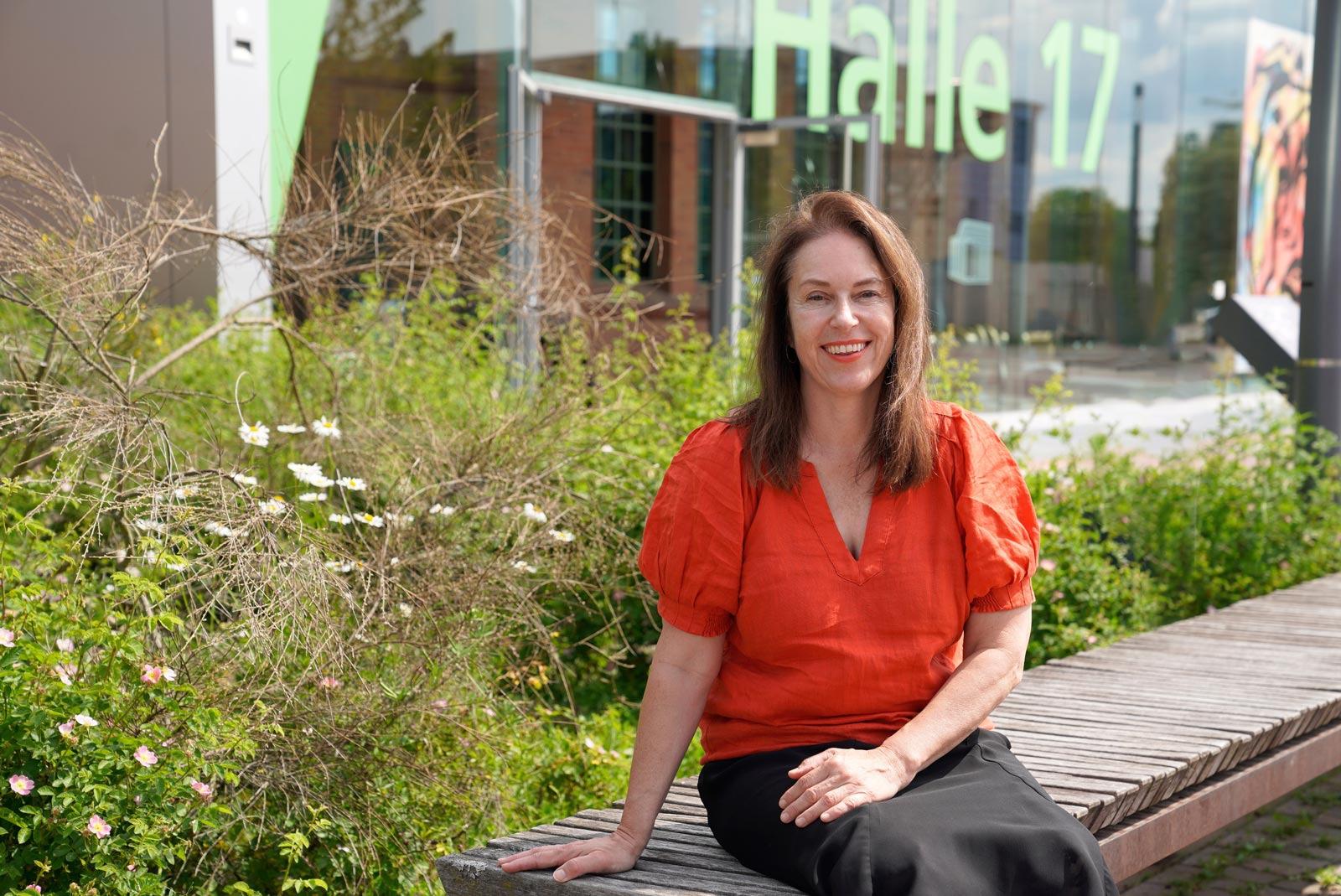
Dr Christine Avenarius, Sustainability Manager at TH Wildau, emphasises the importance of the project: “For us, sustainability is not merely lip service, but a measurable commitment. With EMAS, we create the necessary transparency and reliability. Only when we have a clear picture of our consumption in black and white can we take targeted countermeasures and live up to our role as a model university of applied sciences.”
Across all energy sources – including electricity and energy consumption as well as fresh water – the share of renewable energy thus stands at 59 per cent. To continuously improve resource use, six strategic environmental goals comprising a total of around 60 specific measures were defined as part of the process. These include reducing energy consumption, promoting biodiversity and climate resilience on campus, optimising resource use, and reducing transport and pollutant emissions. Strengthening regional cooperation and developing sustainability skills are also key priorities.
What’s already happening on campus?
EMAS is not a distant dream in Wildau, but is already visible on campus. Large-scale photovoltaic systems have been installed on Building 15, Building 100 and Hall 17. Building 16 demonstrates how the transition to sustainable heating and cooling can succeed: it is supplied via near-surface geothermal energy, whilst a gas burner is now used solely to cover peak loads. The Department of Building Affairs and Technical Services at TH Wildau is also overseeing the switch to LED lighting and the gradual procurement of measurement technology to monitor electricity consumption. In addition, the University Computer Centre (HRZ) is driving the GreenIT initiative forward with great vigour. Significant savings have been achieved through optimised shutdown times during off-peak hours and at weekends.
In the area of mobility, initiatives such as ‘Pedal Power Day’, regular mobility surveys, the university’s own car-sharing app and the Deutschlandticket as part of the student term ticket are providing new impetus. The Deutschlandjobticket will be introduced on 1 July 2026. Furthermore, with around 14,700 square metres of natural green spaces, the campus helps to protect local biodiversity. Practical everyday tips and a CO₂ calculator for travel planning can also be found on the website at www.th-wildau.de/nachhaltigkeit.
Not a top-down project – participation is expressly encouraged!
A key factor in EMAS’s success is that it is not merely a project led by the university management. It is a dynamic participatory process. Since summer 2024, eleven decentralised workshops have taken place – involving, among others, the administrative departments, the HRZ, the laboratory engineers, the library team, as well as the Student Council and the Student Parliament.
“EMAS thrives on participation. The tremendous response and commitment shown in our decentralised workshops have demonstrated just how much expertise and motivation there is within our university community. Whether staff, lecturers or students – sustainability at our university is driven by the people who bring the campus to life every day,” says Dr Christine Avenarius:
What are the next steps?
Following the official on-site assessment earlier this week, the suggestions for improvement will now be incorporated into the comprehensive environmental statement, which is due to be published in summer 2026. At the same time, the official entry into the EMAS register will follow – a milestone that seals TH Wildau’s commitment to sustainability in a way that is visible to all and subject to annual verification. TH Wildau’s new sustainability strategy is also set to be adopted in autumn 2026.

Further information
Information on sustainability management at TH Wildau can be found at
www.th-wildau.de/nachhaltigkeit